About the Centre
Masaryk International Cultural and Educational Centre
The Centre is being developed as an international platform for strengthening cultural, educational and humanitarian ties between countries, organizations and people united by shared values, historical memory and a commitment to open dialogue.
Mission
To support cultural exchange, education and international cooperation through educational, research and public initiatives.
Values
Respect for history, dialogue between cultures, academic integrity, civic responsibility and the development of ties between nations.
Areas of work
Exhibitions, lectures, research, cultural programmes, international meetings and support for the organization’s branches abroad.
History
The Journey of a Legacy
- 1850
Birth of T. G. Masaryk
Tomáš Garrigue Masaryk is born in Hodonín, the son of a coachman and a cook — the future philosopher, teacher and statesman.
- 1918
Founding of Czechoslovakia
After years of resistance abroad, independent Czechoslovakia is established and Masaryk becomes its first president.
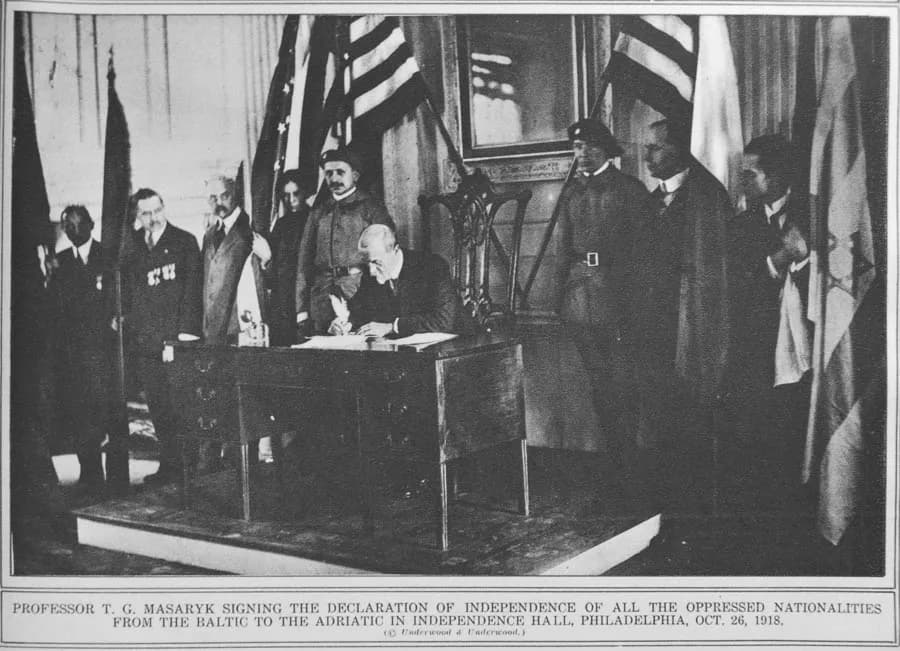
T. G. Masaryk signing the Declaration of Independence, Philadelphia, October 1918 - 1937
Farewell to the President
In September 1937 the nation bids farewell to its President-Liberator; his legacy remains a moral compass for society.
- 1989
The Masaryk Democratic Movement is founded
The Velvet Revolution brings Masaryk's ideals of democracy and humanism back into public life, and the Masaryk Democratic Movement (MDH) is established.
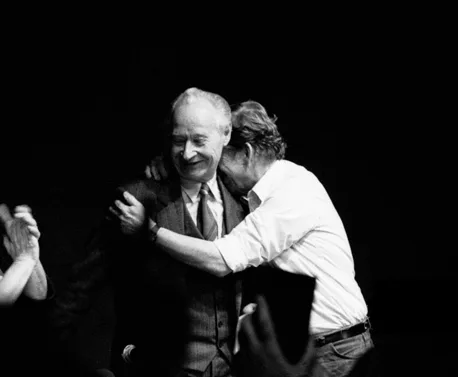
Václav Havel and Alexander Dubček, Laterna Magika, 24 November 1989 - 1989–2025
Almost four decades of educational work
Publishing the ČAS journal and the Hlas Library, running the nationwide Masaryk to Schools competition, exhibitions, lectures and cooperation with Czech communities abroad.
- Today
MICEC carries the work forward
The Masaryk International Cultural and Educational Centre (MICEC) takes up this agenda, builds on the values and experience of MDH, and develops them in a contemporary international format.
Why Masaryk
Tomáš Garrigue Masaryk is a symbol of humanism, education, democratic values and responsibility to society. His legacy forms the basis for the Centre’s educational, cultural and international activities.
Projects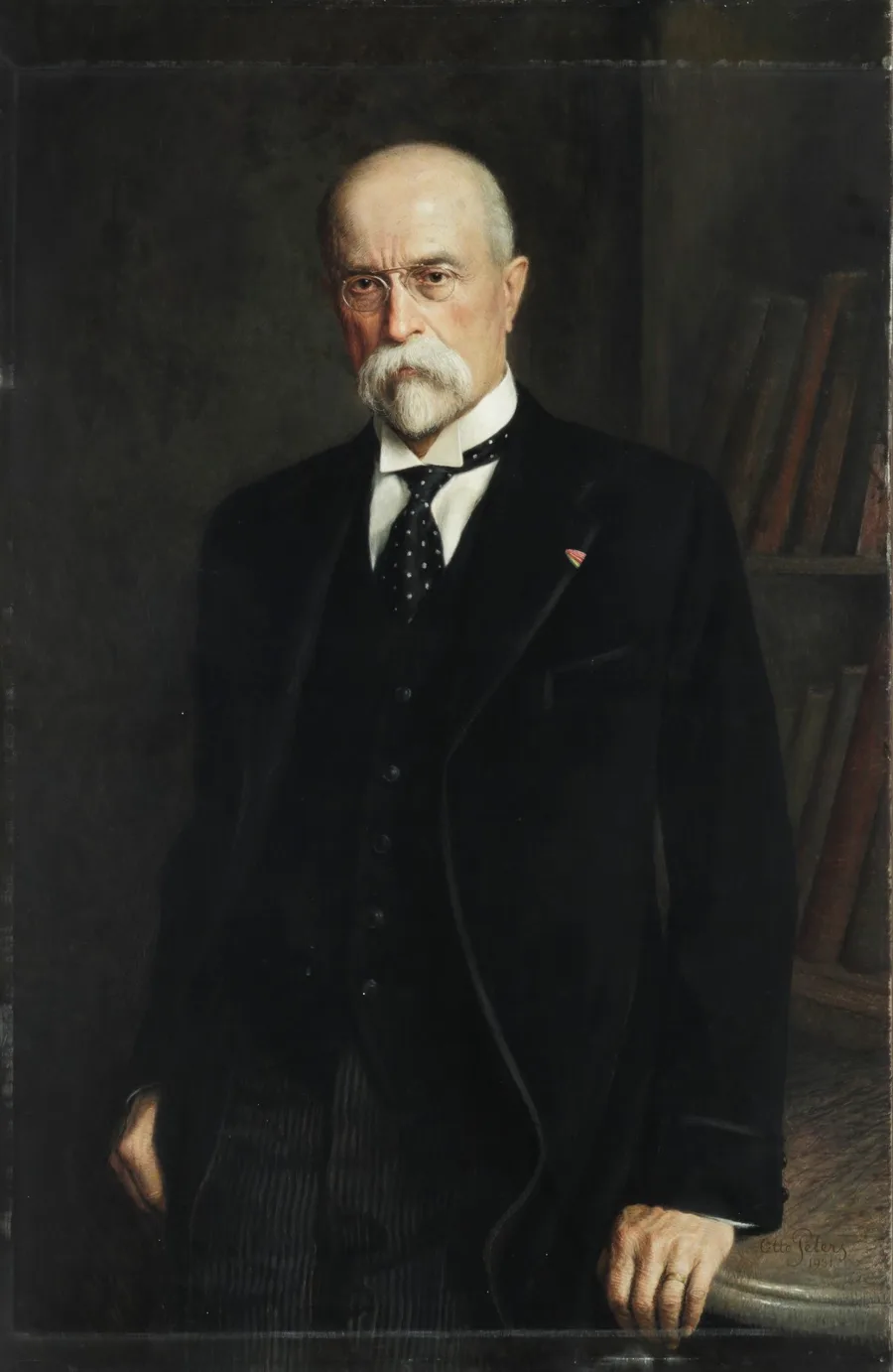
Let's work together
Interested in hosting an exhibition, a lecture or a partnership? We would love to hear from you.